For more than a century, vehicle lighting existed for a singular purpose: to help humans see. Today, lighting increasingly exists to help vehicles communicate. As the automobile transitions from a driver-operated machine to an autonomous agent in urban space, its lighting system transforms from an engineering component into a semantic interface.
Core Thesis
The evolution of vehicle lighting follows a clear trajectory: Illumination → Identification → Communication → Behavior. Each phase represents not merely a technological advance, but a fundamental reconceptualization of what light means in the context of mobility.
Phase 01 — The Mechanical Era (1900–1980)
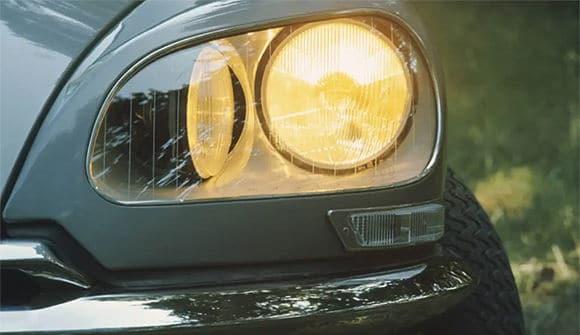
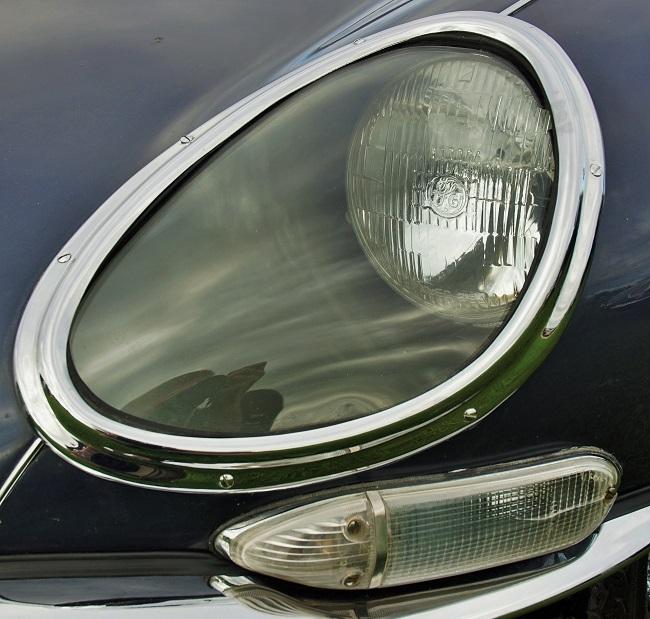
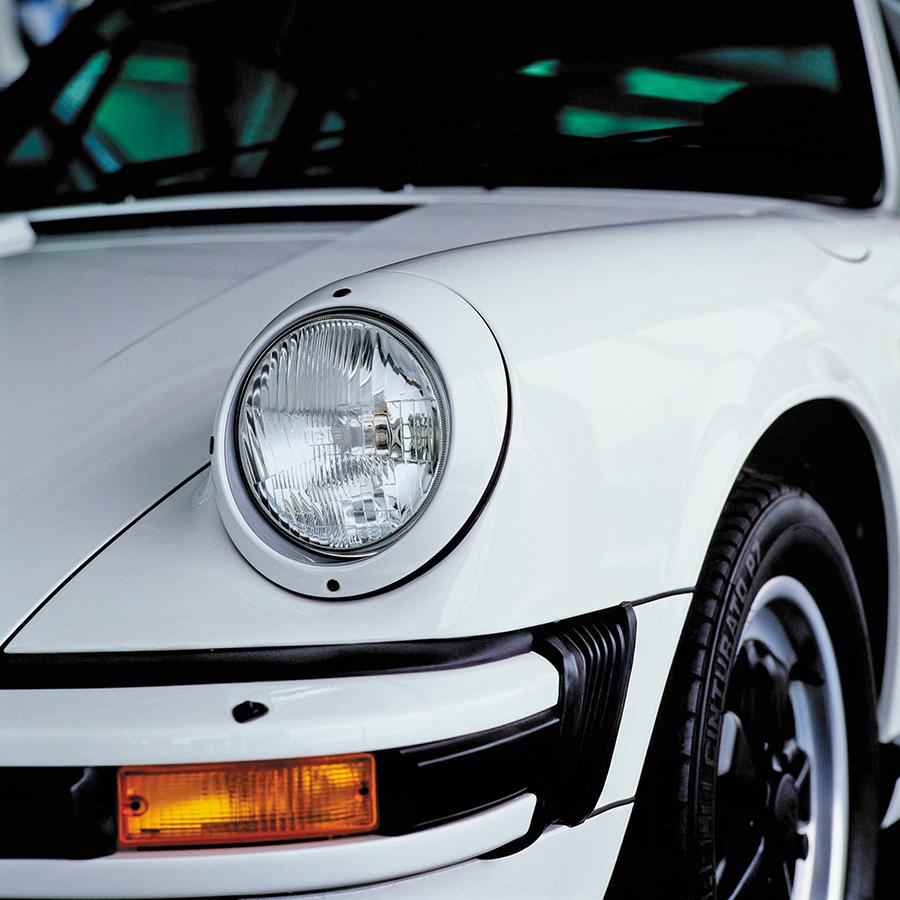
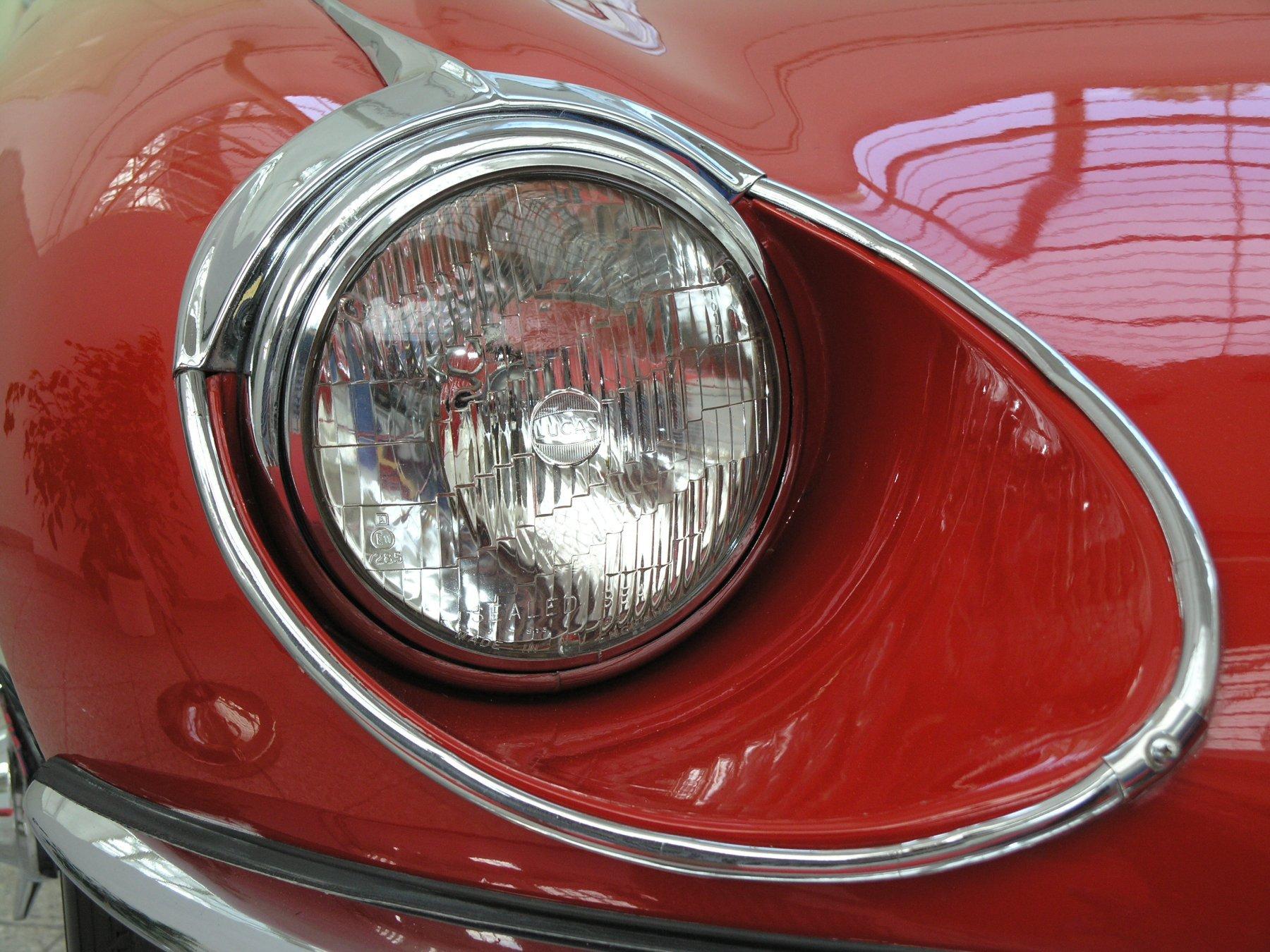
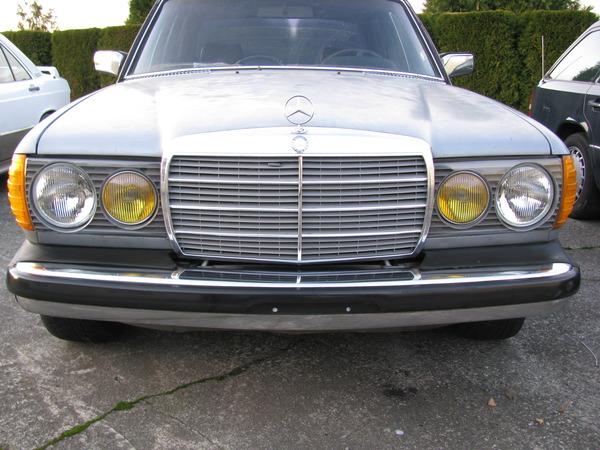
In the earliest decades of the automobile, headlamps were purely engineering components. The journey began with acetylene gas lamps in the 1890s. By 1912, Cadillac had integrated electric headlamps. The pivotal moment came in 1940 when General Electric introduced the sealed beam headlamp — an airtight unit combining filament, reflector, and lens. The United States federally mandated this standard, effectively freezing headlamp design for 43 years. Lighting was not brand identity. Lighting was hardware. A 1970 Chevrolet and a 1970 Ford shared the same sealed beam unit.
Phase 02 — The Signature Era (1990–2015)
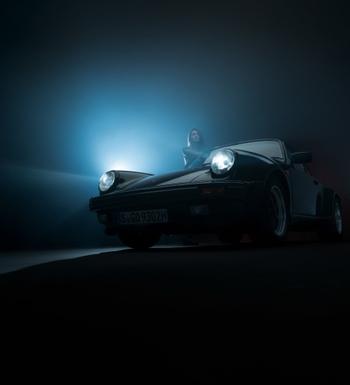
The introduction of HID technology in 1991 began to liberate headlamp form from functional constraint. But it was LED technology that truly transformed lighting into a design medium. BMW's Angel Eyes (2001), Audi's DRL Revolution (2004–2008), Volvo's Thor's Hammer (2015) — brands created visual signatures recognizable from distance, at speed, and in darkness. For the first time in automotive history, cars became recognizable at night. Light became logo.
Phase 03 — The Interface Era (2015–Present)
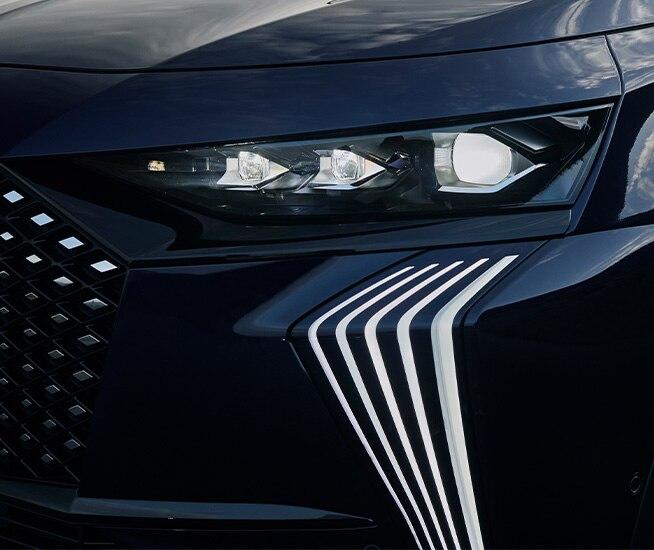
Light no longer communicates brand alone — it communicates intent. As vehicles gained autonomous capability, they required new communication channels with the world around them. Mercedes DIGITAL LIGHT deploys 1.3 million micro-mirrors per headlamp, producing 2.6 million addressable pixels. Contemporary vehicle lighting now communicates charging status, autonomous mode, vehicle state, user recognition, and environmental awareness. Vehicle lighting is becoming a language with syntax, semantics, and pragmatics.
Phase 04 — The Behavioral Era (Future)
The next evolution is not brighter lamps — it is adaptive behavior. Future systems will react to environmental conditions in real-time, learn from accumulated behavioral data, adapt expression for context, and personalize behaviors per user relationship. The physical emitter and the communicative surface need not be the same component. The distinction between lamp and body dissolves. The car does not have lights. The car is light.
Working Hypothesis
The future of automotive lighting is not illumination — it is communication. And eventually, communication may evolve into behavior. The lamp becomes an interface. The interface develops a language. The language acquires intelligence. The intelligence becomes personality. The question facing designers is no longer 'How do we illuminate the road?' but rather: How do we design a vehicle that can be understood?
Visual Documentation